Short-form product video for apps that have to get the claims right.

Six projects across consumer apps, regulated health, and brand film. Every performer and scene is AI-generated — no shoot, no talent releases, no location, and a persona can be recast in an afternoon rather than a reshoot. On the regulated work, restricted language is settled before the script locks, and the required lines carry in both the voiceover and the end card.

Five projects, played complete · 2 min 10 s
Prefer the short version? — 49-second cut
Showreel · 49 s · hooks and end cards only
01 · Citizen Coach

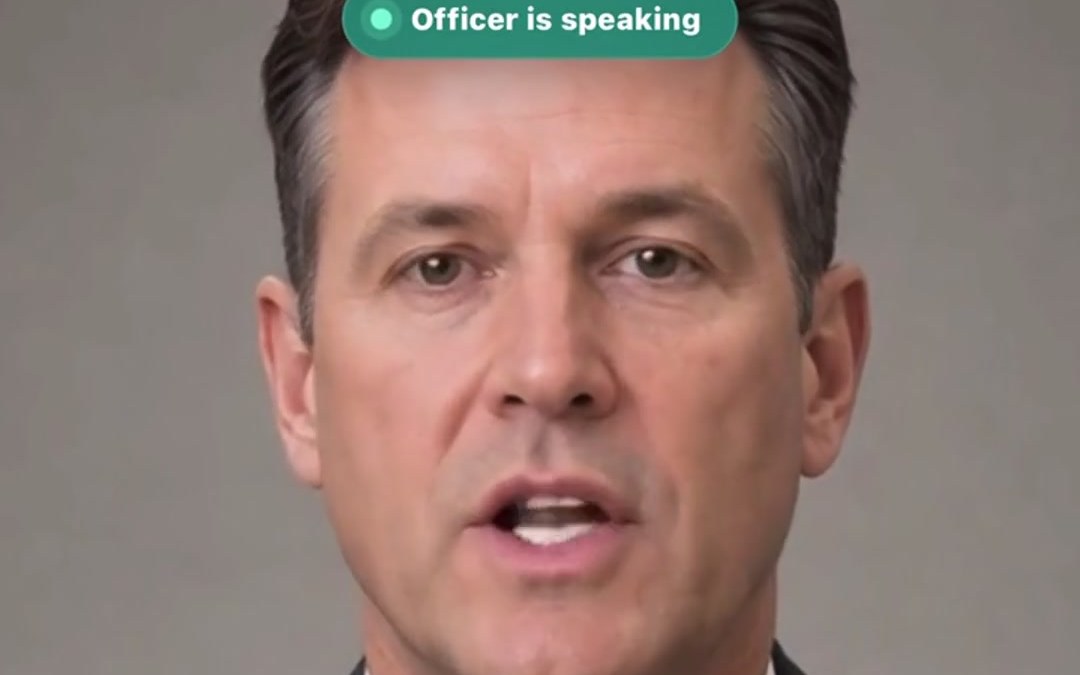
Citizen Coach — AI Officer Practice

A citizenship-prep app with a trust problem. Persona hook, real screen recording, compliant CTA.

02 · Brand film

Ella AI Care — brand demo film

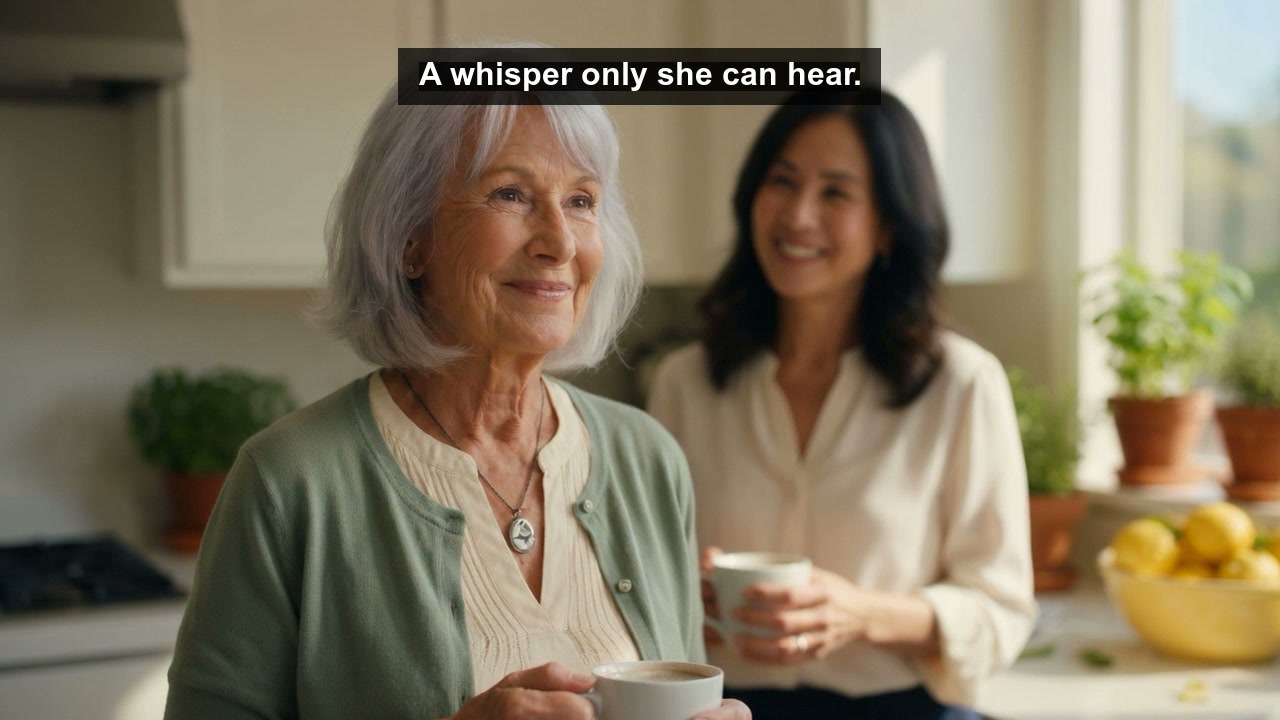
A companion device for elderly users. 58 seconds that had to feel trustworthy, not sold.

03 · BarCraft

BarCraft AI — Party Panic

Same pipeline, opposite register — proof the house style is a choice, not a limit.

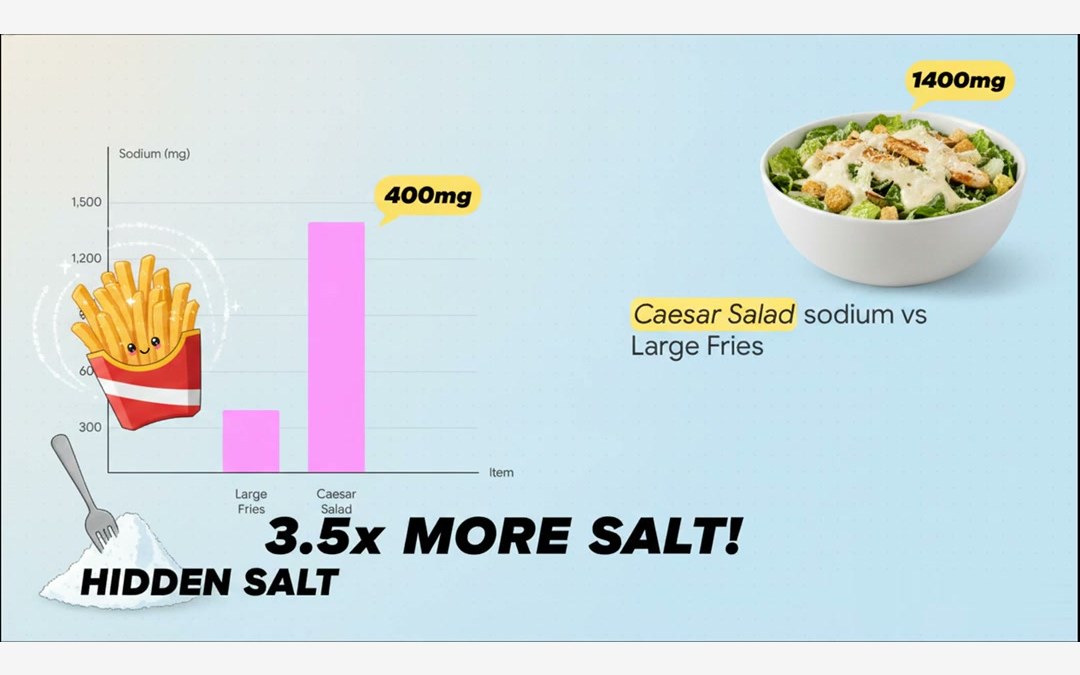
04 · SodiumWise

SodiumWise — Hidden Salt

Published health-app ad. Claim language locked before a word was written.

05 · Method

Three approaches to the same ad

Three castings of the same twenty seconds — and the one that shipped.

06 · Repurposing

Long-form repurposing — one source, seven verticals

One six-minute explainer becomes seven vertical shorts. The most repeatable service here.

Method

How these are made

Everything you see is generated. Every person, room and prop in this work is AI-generated — there is no filmed footage of real people anywhere in it. That takes casting, scheduling, talent releases and location out of the budget, and it means a persona can be recast in an afternoon instead of a reshoot.

The proof shot is the exception, and it is a hard rule. The moment an ad shows what the product actually does, that has to be a real capture — a screen recording, a store listing, or the live web app at a phone viewport. Image models render on-screen text as gibberish, so a generated interface falls apart the moment anyone looks at it.

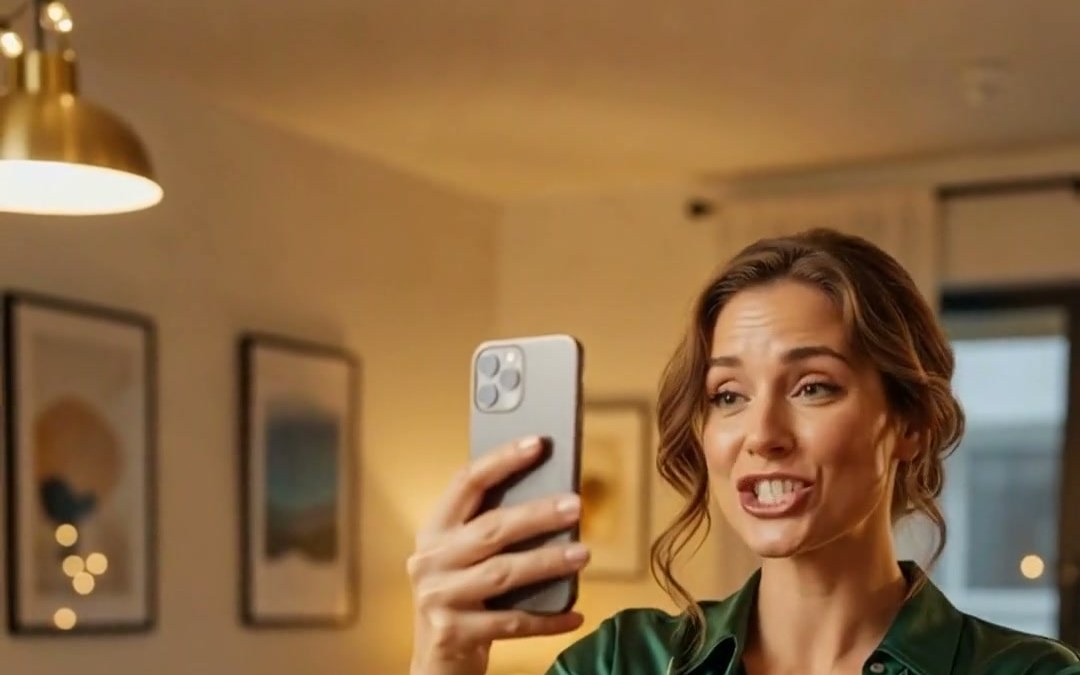
Worth being precise, because it is visible on screen: a phone held by a generated presenter is set dressing, and its screen is generated along with the rest of the shot. The real product appears as its own frame. Mixing those up — trying to composite a live interface into a generated hand — is where this goes wrong, and it is the most common reason a finished video gets thrown away.

Claims reviewed before the script locks. On health, financial or regulated products, restricted language is identified first, and disclaimers are built into editable safe zones so wording can change without a re-render.

Every deliverable is reproducible. Briefs, prompts, source media and the assembly spec are retained together, so any cut can be rebuilt or revised months later without starting over.
The honest version

Anyone can now generate a video; the difference is being handed the build that regenerates it.